Dyeing or Dying: What’s the Difference?
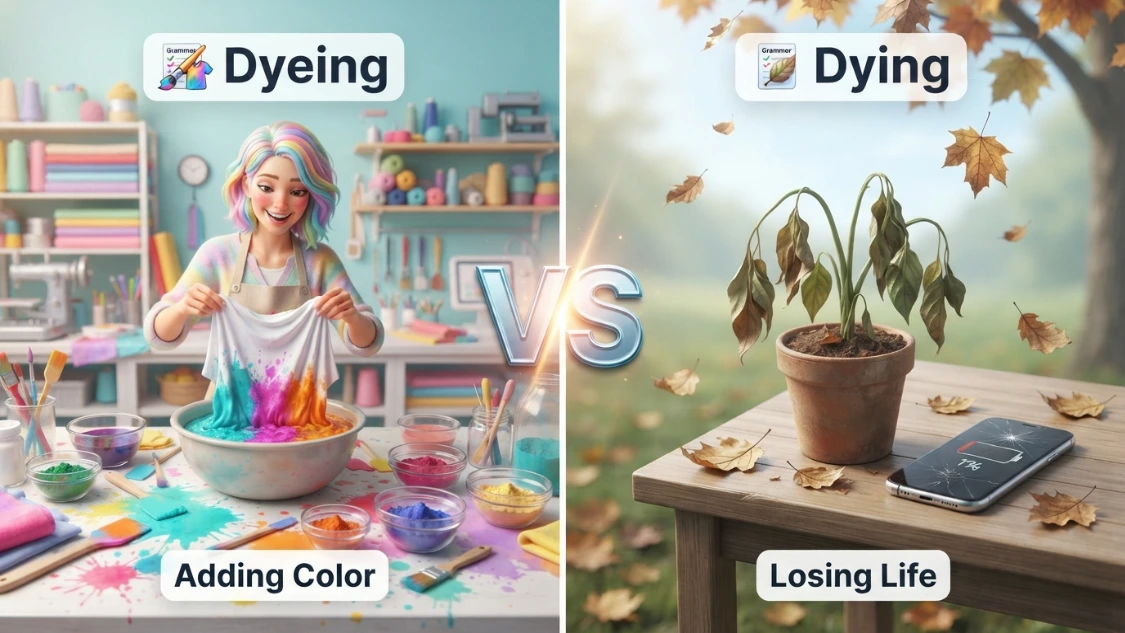
Dyeing means coloring something with dye, while dying means approaching death or coming to an end. Dyeing or Dying: Quick ...
Read more
Family’s or Families: What’s the Difference? 👨👩👧👦
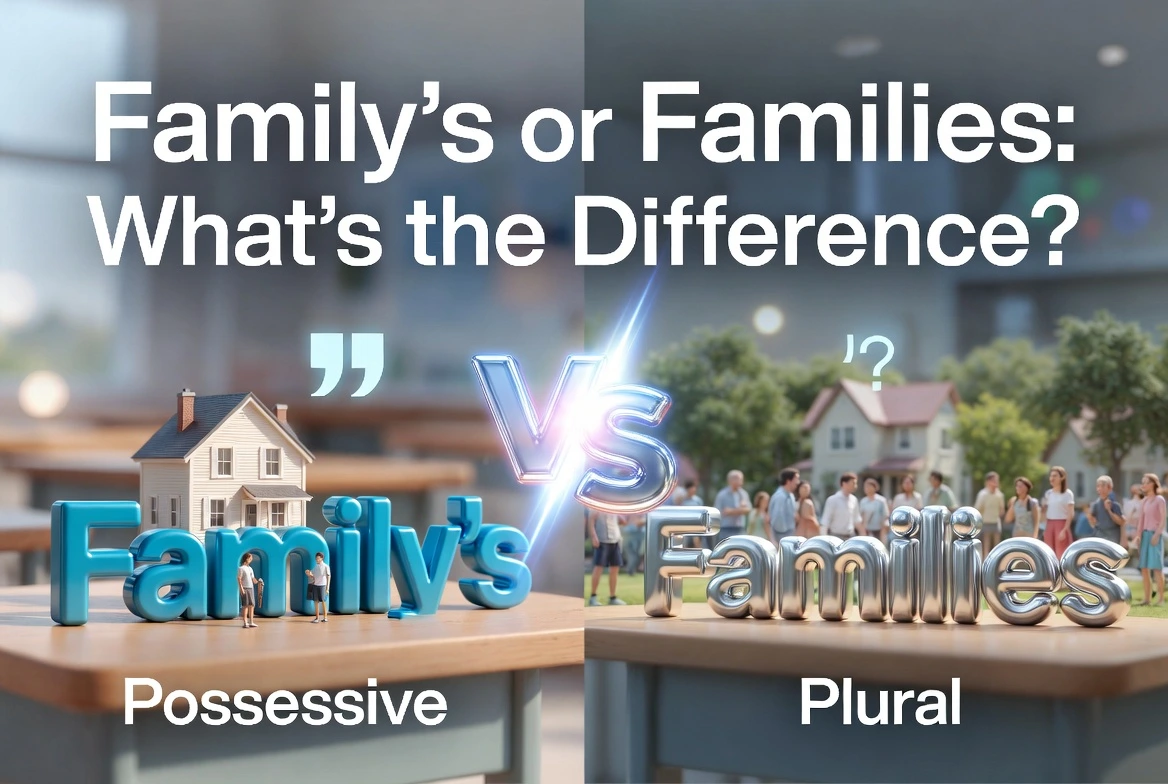
“Family’s” shows that something belongs to one family, while “families” refers to more than one family. Family’s or Families: Quick ...
Read more
Colon or Semicolon: What’s the Difference? (With Easy Examples)
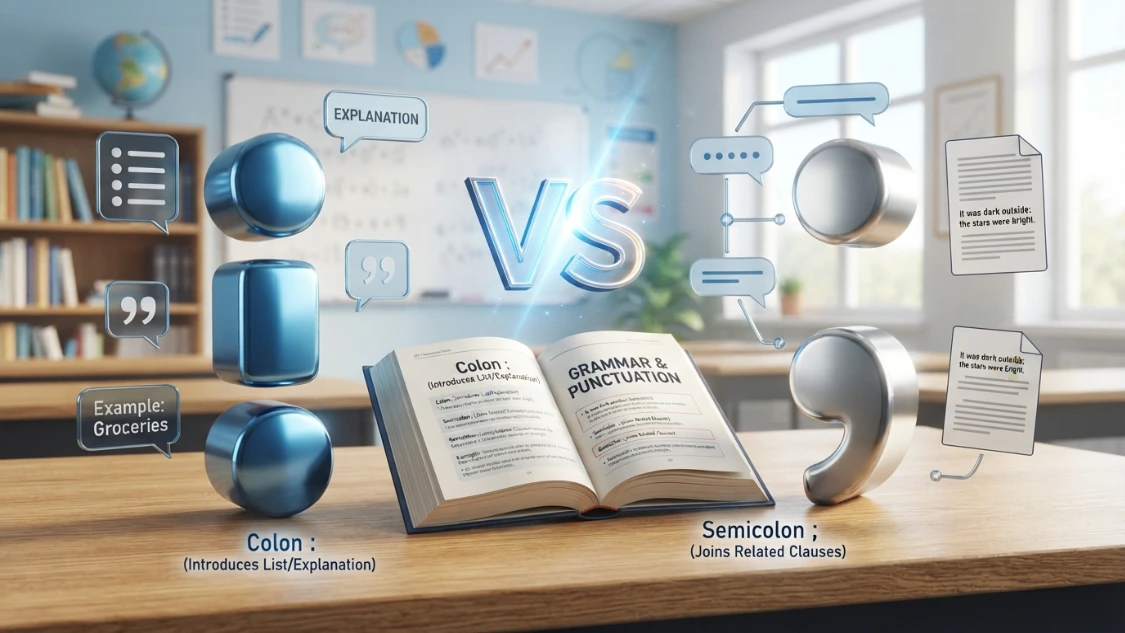
A colon (:) introduces information, while a semicolon (;) connects two closely related independent clauses or separates complex list items. ...
Read more
Especially or Specially: What’s the Difference? 📖
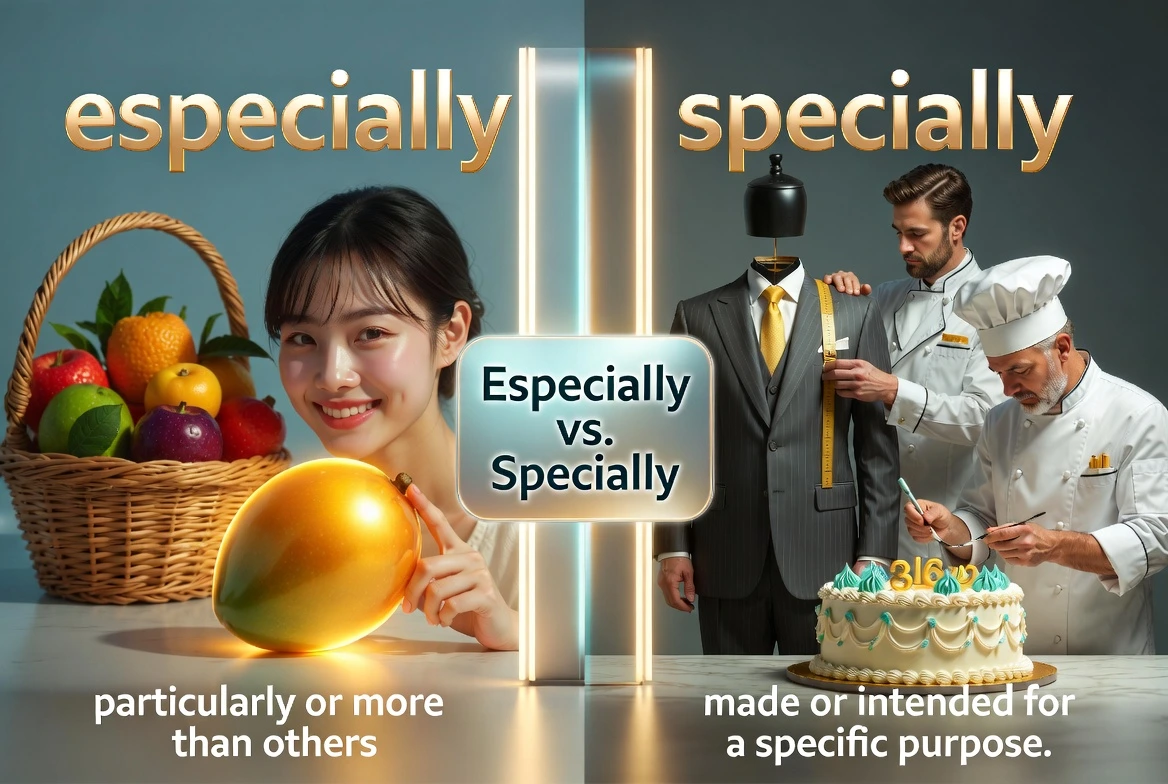
Especially means particularly or more than others, while specially means for a specific purpose or in a special way. Quick ...
Read more
Pass or Past: What’s the Difference? (With Examples)
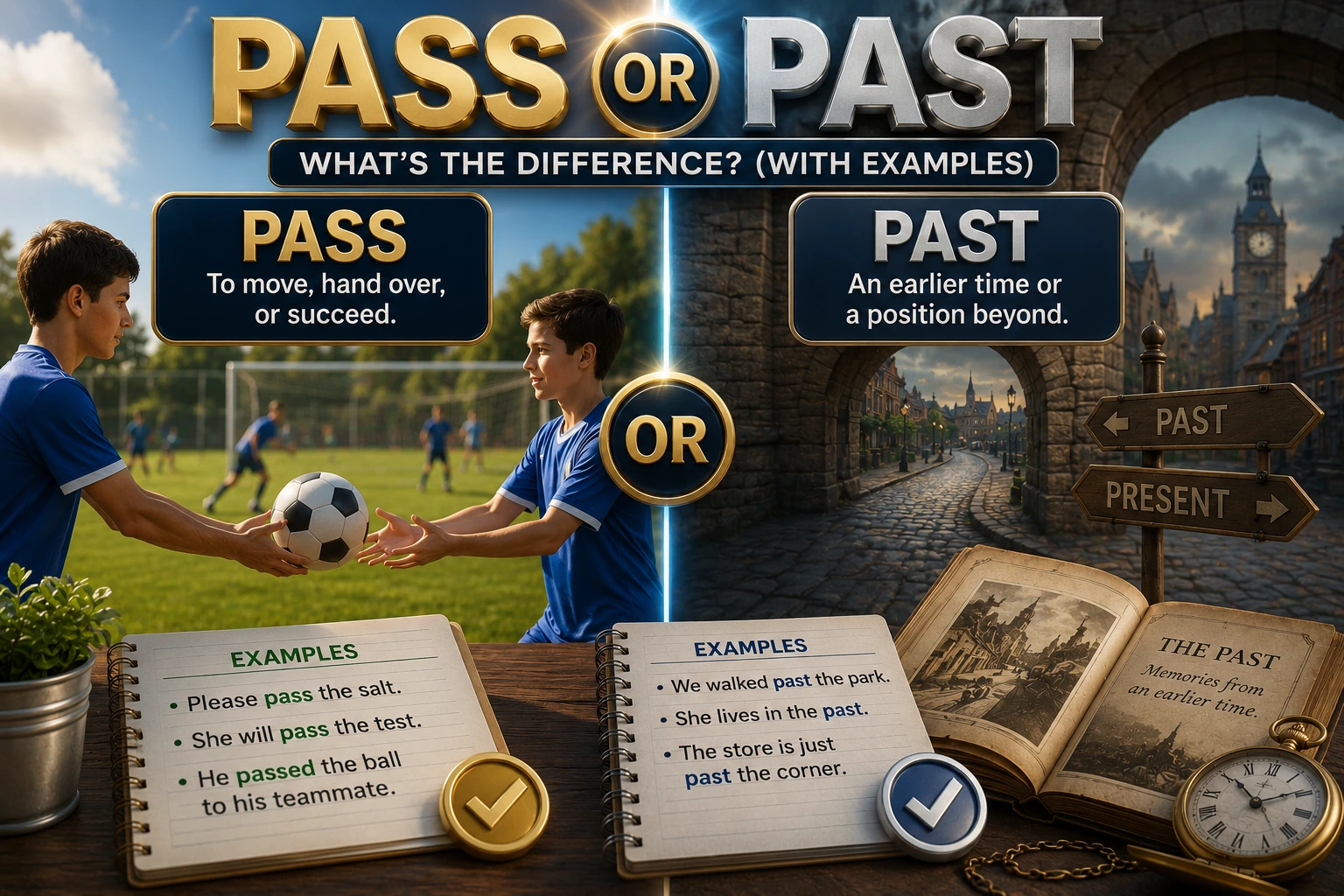
Pass is usually a verb meaning to move by, hand over, or succeed, while past refers to an earlier time ...
Read more
Losing or Loosing: Which Word Is Correct? (2026)

Losing means failing to keep, win, or maintain something, while loosing means releasing, setting free, or letting something go. Quick ...
Read more
Patient or Patience: What’s the Difference?(2026)

Patient describes a calm person or someone receiving medical care, while patience is the ability to stay calm during delays ...
Read more
It’s or Its? Difference, Grammar Rules & Easy Examples✍🏻
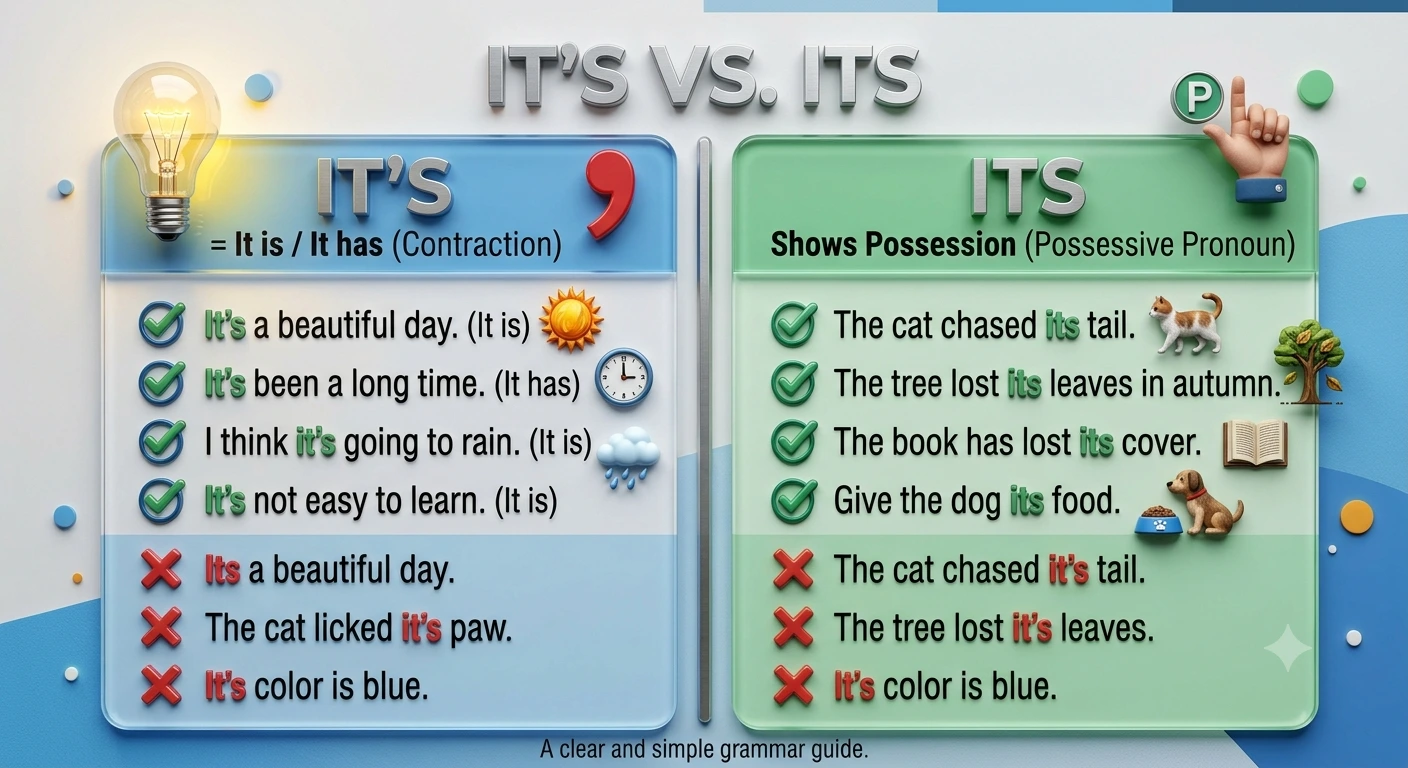
It’s a contraction of it is or it has. Its is a possessive pronoun that shows ownership or belonging. Have ...
Read more
Their or There: What’s the Difference and How to Use Them✍🏻
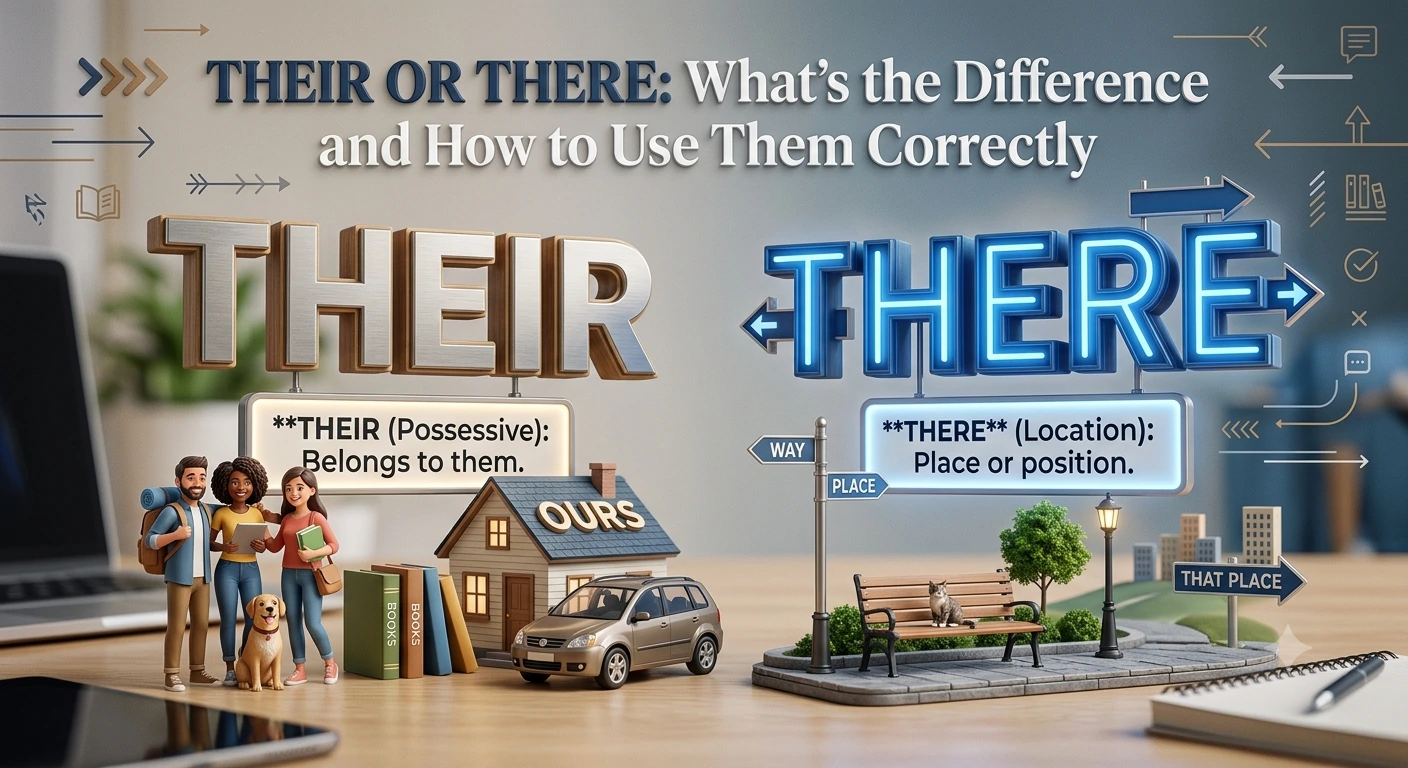
Their is a possessive determiner that shows ownership, while there refers to a place, location, or the existence of something. ...
Read more
Who or Whom: What’s the Difference? Grammar Rules, Examples
Who is used as the subject of a sentence or clause. It performs the action. Whom is used as the ...
Read more